
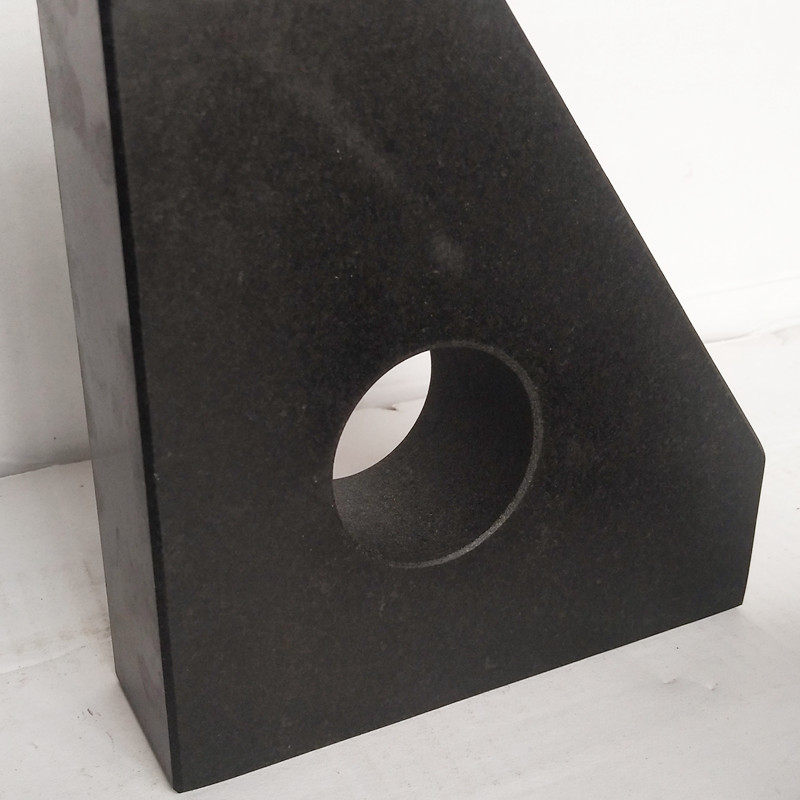
copper free mirror
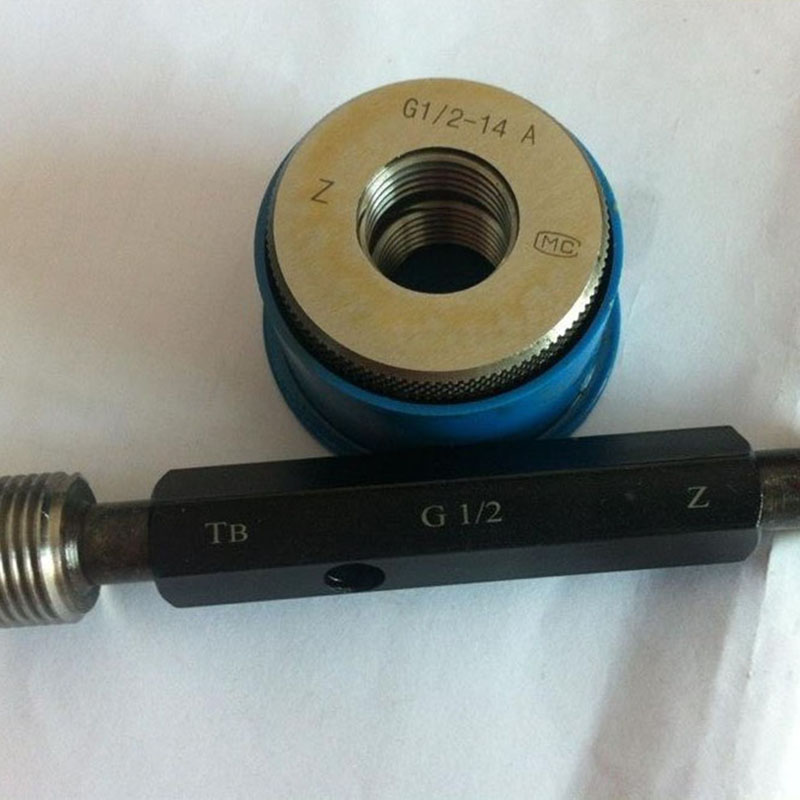
Understanding Plain Plug Gauge Standards In the world of manufacturing and quality assurance, precise measurement is paramount. Among the various tools used to ensure dimensional accuracy, plain plug gauges stand out for their simplicity and effectiveness. This article delves into the standards governing plain plug gauges, their applications, and their significance in quality control processes. What is a Plain Plug Gauge? A plain plug gauge is a cylindrical measuring tool used primarily to check the internal diameters of holes or the external diameters of cylindrical parts. They are characterized by their straightforward design, typically featuring a smooth, cylindrical body with a precisely defined diameter. The plug gauge is meant to either fit within a hole (go gauge) or not fit at all (no-go gauge). This binary assessment enables manufacturers to quickly verify whether a component meets specified tolerances. Importance of Standards The effectiveness of plain plug gauges is intrinsically linked to the standards established within the industry. These standards provide guidelines on the design, usage, and calibration of gauges, ensuring that they deliver reliable results across different applications. Without these standards, discrepancies in measurements could lead to faulty products, increased costs, and safety concerns. Key Standards for Plain Plug Gauges Several organizations and standards are prominent in the calibration of plain plug gauges. Among them, the most widely recognized is the International Organization for Standardization (ISO). ISO 5408 outlines the definitions and classifications of gauges, delivering a comprehensive framework for measuring instruments. Additionally, the American National Standards Institute (ANSI) provides guidelines that define tolerances and dimensions specifically for plug gauges, ensuring compatibility with a broad range of manufacturing processes. These standards address crucial aspects, including material properties, temperature stability, and wear resistance. For instance, the materials used in constructing plain plug gauges—often high-carbon steel or carbide—are specified to ensure durability and precision. Proper calibration methods are also outlined, which are essential to maintain the accuracy of the gauges over time. plain plug gauge standard Applications in Manufacturing Plain plug gauges are employed across various industries, including automotive, aerospace, and electronics. Their applications range from checking the fit of bearings and shafts to ensuring the proper alignment of holes in assemblies. By verifying that parts meet strict tolerances, manufacturers can avoid assembly issues and product failures down the line. Moreover, plain plug gauges facilitate the statistical process control (SPC) in manufacturing. By regularly using gauges to sample parts from a production line, manufacturers can make real-time adjustments to processes, ensuring that quality standards are consistently met. This proactive approach reduces waste and enhances overall efficiency. Importance of Calibration and Maintenance To ensure that plain plug gauges continue to meet the stringent requirements set forth by standards, regular calibration and maintenance are imperative. Calibration involves comparing the gauge with a standard reference to identify any discrepancies. Maintenance includes routine cleaning and proper storage to prevent wear and tear. Manufacturers should establish a detailed calibration schedule and maintain records of all calibrations and adjustments made. This level of diligence not only guarantees compliance with standards but also builds trust with customers regarding the quality of the finished products. Conclusion Plain plug gauges play a critical role in the manufacturing and quality assurance processes. Their reliance on established standards, such as those provided by ISO and ANSI, underscores the importance of precision in measurement. By adhering to these standards, manufacturers can ensure that their products meet stringent quality requirements, ultimately leading to greater efficiency, reduced costs, and improved customer satisfaction. In a competitive market where precision is key, the significance of plain plug gauges cannot be overstated.
about
copper free mirror
Understanding Machinist Gauge Pin Sets A Comprehensive Guide In the world of precision engineering, accuracy is paramount. One of the tools that play a critical role in achieving this precision is the machinist gauge pin set. These sets include a series of hardened steel pins, each with a specific diameter, which are used for measuring, setting, and checking the dimensions of various components. This article delves into the significance, usage, and benefits of machinist gauge pin sets in machining and manufacturing processes. What Are Gauge Pins? Gauge pins are cylindrical pins made from high-quality materials, typically steel, designed to provide accurate measurements. They can be non-tapered or tapered and are often categorized as go and no-go pins. The go pin is used to check whether a hole meets the minimum size requirement, while the no-go pin checks that the hole does not exceed maximum size specifications. This dual checking mechanism helps ensure that parts conform to strict tolerances, which is essential in applications that require high accuracy. Importance of Accuracy in Machining Machining processes, including turning, milling, and grinding, often require parts to fit together with tight tolerances. Even slight deviations can lead to malfunctions or failure of mechanical systems. Therefore, machinists must have reliable tools at their disposal to verify the dimensions of both the workpieces and the fixtures they are using. Gauge pin sets serve this purpose beautifully, offering reliable and reproducible measurements that enhance manufacturing efficiency and product quality. Features of Machinist Gauge Pin Sets Most machinist gauge pin sets come in either a standard metric or imperial measurement system. They typically include a range of sizes, allowing for versatility in applications . High-quality gauge pins are usually made from tool steel, ensuring that they are robust and wear-resistant. Additionally, they are ground to precise tolerances and often have a corrosion-resistant coating to enhance durability. machinist gauge pin set Gauge pins are also easier to use than many other measuring instruments. They can be simply inserted into holes or slots to test them, and their tactile feedback provides instantaneous verification of sizes. This simplifies the inspection process and helps to increase productivity on the shop floor. Applications of Gauge Pin Sets Machinist gauge pin sets are widely used in various industries, including automotive, aerospace, electronics, and medical device manufacturing. They are applicable in processes such as 1. Hole Inspection Verifying hole sizes in machined parts to ensure they fit assembly requirements. 2. Fit Testing Ensuring that components fit together as intended, especially in critical applications like engine assembly. 3. Quality Control Regular inspection of tools and fixtures to maintain system integrity and compliance with standards. Benefits of Using Gauge Pin Sets The use of machinist gauge pin sets offers several advantages. Firstly, they facilitate rapid inspection, reducing downtime and extending productivity. Secondly, they contribute to quality assurance, ensuring that parts meet the required specifications before they reach the customer. Lastly, the consistent use of gauge pins fosters a culture of precision in manufacturing settings, helping teams adhere to best practices. Conclusion In conclusion, machinist gauge pin sets are indispensable tools in modern manufacturing and machining processes. Their ability to provide accurate measurements and facilitate quality control makes them essential for achieving high standards in production. As industries continue to evolve, the reliance on precision measurement tools like gauge pin sets will only grow, ensuring safety, efficiency, and functionality in the components we use daily. Investing in a high-quality machinist gauge pin set is a step towards upholding engineering excellence and achieving superior results in any machining endeavor.
-

High quality industrial productsagement

High quality industrial products
View Details -

Meet the diverse needs of customers

Meet the diverse needs of customers
View Details -

Strict quality control

Strict quality control
View Details -

Top raw materials

Top raw materials
View Details -

Trusted supplier

Trusted supplier
View Details
Our application



news and information

Versatile Clamping Kit for Welding Table Setup and Home Projects
The Importance of a Welding Table Clamp Kit Welding is a skill that requires precision, control, and
Y Type Strainer Featuring Convenient Drain Valve for Efficient Fluid Filtration
Understanding Y-Type Strainers with Drain Valves In industrial settings, efficient fluid management
Van cầu 2 1 2
Đồng hồ van cầu 2 1 2 là một trong những thiết bị quan trọng trong hệ thống ống dẫn chất lỏng, đặc b
 English